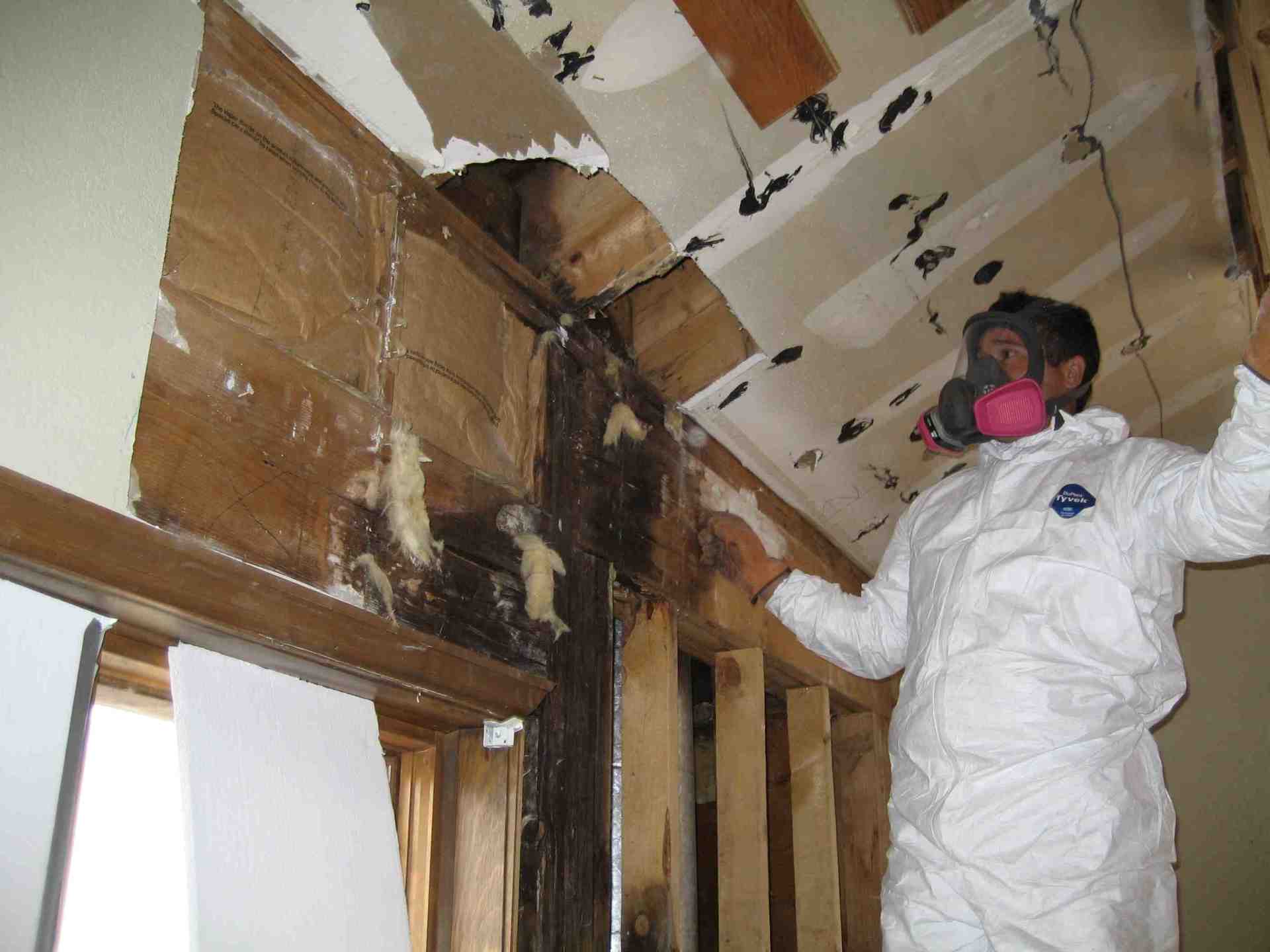
Technician in protective gear removing mold-damaged drywall and ceiling
Certified Mold Remediation

Mold Removal & Remediation in Las Vegas

Musty smell or visible growth? A certified mold technician is on every job to find the moisture source, contain the mold, and remove it safely.

Call (702) 515-1485 Free Estimate
  • On-Site in 60 Minutes or Less, 24/7
  • Free Estimates
  • IICRC-Certified Crew
24/7 Emergency Line

Talk to a real person right now

(702) 515-1485

  • Water, fire, mold & sewage damage
  • Family-owned in Las Vegas since 1994
  • A+ rated, BBB accredited
  • We bill your insurance directly

Or request a free estimate →

On-Site in 60 Min24/7/365 response

Family-OwnedServing Las Vegas since 1994

Direct Insurance BillingWe work with your adjuster

Professional Mold Removal That Fixes the Cause

Ultimate Choice Restoration provides mold inspection, containment, and remediation for homes and businesses in Las Vegas, Henderson, and the surrounding area, with a certified mold removal technician on every job.

Mold needs moisture to grow. In Las Vegas that usually means a slow plumbing leak, an AC condensate line, a roof leak, or water damage that was never properly dried. If the moisture isn’t fixed, the mold comes back — so we find and correct the source before we remove anything.

Our remediation follows industry standards: contain the area, filter the air, remove mold-damaged materials, clean what can be saved, and verify the results.

Better Business Bureau Accredited Business seal
IICRC Institute of Inspection Cleaning and Restoration Certification logo
Call 24/7: (702) 515-1485
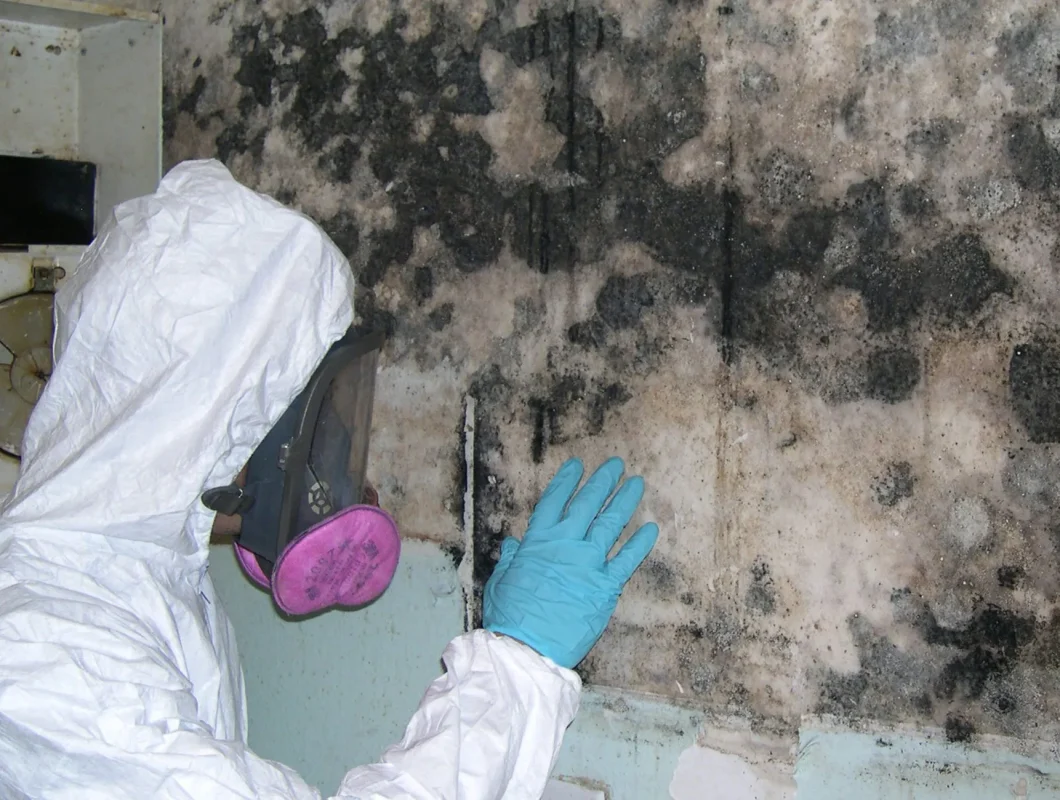
Technician in protective suit and respirator inspecting black mold on a wall
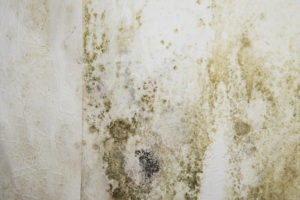
Mold stains and discoloration on a wall causing a musty smell

Signs You May Have Mold

Mold often grows inside walls, under sinks, in attics, and behind cabinets. Watch for:

  • A musty or earthy odor that won’t go away
  • Black, green, or white spots on walls, ceilings, or grout
  • Stains or bubbling paint near plumbing or AC units
  • Warped baseboards or soft drywall
  • Past water damage that wasn’t professionally dried
  • Allergy-like symptoms that improve when you leave the house
Schedule a Mold Inspection

Can Mold Grow in the Desert?

Absolutely. Las Vegas air is dry, but mold doesn’t need humid air — it needs a wet surface. The inside of a wall with a leaking pipe, the pan under an air handler, or the drywall behind a shower can stay damp for months. With indoor temperatures that mold loves, growth can start within 24 to 48 hours of a leak.

That’s why fast, professional water damage drying is the best mold prevention there is.

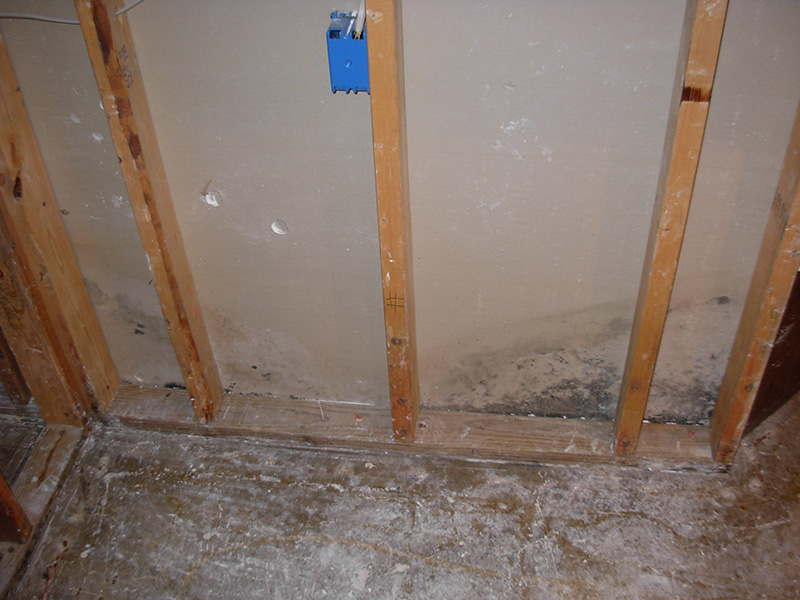
Mold on wall studs and drywall in a wet basement
How It Works

Our Mold Remediation Process

01

Inspect & Find Moisture

We identify visible growth and use moisture meters and thermal imaging to find the water source.

02

Contain the Area

Plastic barriers and negative air pressure keep spores from spreading to clean areas.

03

Filter the Air

HEPA air scrubbers capture airborne spores during the work.

04

Remove Moldy Materials

Mold-damaged drywall, insulation, and carpet are removed and bagged.

05

Clean & Treat

Framing and salvageable surfaces are HEPA-vacuumed, cleaned, and treated.

06

Rebuild

We repair drywall, paint, and flooring once the area is clean and dry.

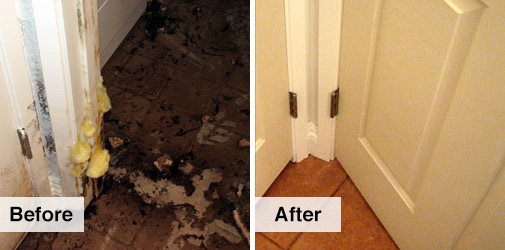
Before and after mold remediation of a moldy closet doorway and floor

Mold Remediation Before & After

Proper remediation doesn’t just cover up stains — it removes the mold and the damaged material, then leaves a clean, dry structure ready for repair. As a licensed Nevada general contractor, we can complete the rebuild ourselves so you aren’t left with open walls.

FAQ badge icon

Mold Removal FAQs

Because outdoor air is so dry, mold here almost always starts with a specific water source in an enclosed space. The most common spots are under kitchen and bathroom sinks, behind washing machines and refrigerators with ice makers, around water heaters in garages and closets, inside AC closets where condensate pans overflow, under carpet near a slab leak, and in attic insulation after a roof leak.

These areas have little airflow, so moisture stays trapped even in the desert. A musty smell, warped cabinet bases, or peeling baseboard paint in one of these areas is worth investigating before mold spreads.

It can. Part-time residents often shut a home for the hottest months and raise the thermostat. If a small leak starts while the home is empty, warm, still air and no one to notice the water create good conditions for mold. Monsoon humidity entering through vents and gaps adds more moisture.

Before leaving, shut off the main water valve, keep the AC on at a moderate setting to control humidity, and ask someone to check the home periodically. Leak sensors with phone alerts are an inexpensive way to catch problems early.

Testing is most helpful when you smell mold but cannot see it, when you need documentation for an insurance claim or real estate transaction, or when someone in the home has asthma, allergies, or a weakened immune system. Air samples compared with an outdoor baseline can show whether indoor spore levels are elevated.

If mold is clearly visible and the moisture source is known, testing is not always necessary before remediation. Post-remediation clearance testing by an independent party can confirm the work was successful.

Ask the inspector to note the location, size, and likely moisture source, and consider a more detailed moisture investigation. In Southern Nevada, mold found during inspections is often tied to slab leaks, roof leaks, or past plumbing repairs that were never properly dried.

We can inspect the area and provide a written scope and estimate that buyers and sellers can use in negotiations. Remediation can be done before closing or afterward, and we provide documentation that can be shared with lenders, agents, and insurers.

Remediation starts with containment: plastic barriers and negative air pressure with HEPA filtration keep spores from spreading into clean areas. Contaminated porous materials such as drywall, insulation, and carpet pad are removed and bagged. Framing and other surfaces are HEPA-vacuumed, cleaned, and treated, and the area is dried.

The moisture source must also be repaired. Most projects take one to five days, followed by rebuilding the affected area.

Mold returns when the moisture problem returns. Proper remediation always includes finding and correcting the cause, whether it is a plumbing leak, condensate drain, roof leak, or grading issue that sends water toward the home.

After remediation, fix leaks promptly, keep condensate lines clear in summer, run bathroom exhaust fans, and watch for musty odors. If you notice the smell again, call us for a moisture check before the problem grows.

Coverage varies by policy. Many policies cover mold that results from a sudden, covered event, such as a burst supply line, if it is reported promptly. Mold from long-term leaks, humidity, or deferred maintenance is often excluded, and some policies cap mold remediation at a set dollar amount.

Review your policy and talk with your agent. We document the source, timeline, and extent of the mold with photos and moisture readings, which helps your insurer evaluate the claim.

Dark blue water surface background

Smell Mold? Let’s Find the Source.

Get a free estimate from a certified mold removal technician. Call (702) 515-1485 — a real person answers 24/7.

Call Now! (702) 515-1485 Schedule a Mold Inspection